

If you’re keen to crack the Australian job market, you’ve probably heard stories: a mate got a bar gig within days, someone else landed an office role in one of our vibrant cities, and yet another is still waiting to hear back from their 47th application form. Truth is, getting a job in Australia can be easy — or feel like herding kangaroos — depending on your type of visa, skills, and whether your resume format screams “hire me” or “still stuck in American resume styles.”
I’ve helped countless international candidates, skilled migrants, and working holiday makers navigate this rollercoaster. From fruit picking in the Top End to high-flying roles in human resources in the city centre, I’ve seen what works — and what trips people up faster than a mozzie in the swag.
Let’s break it down: how to find plenty of opportunities, how to impress a fair-dinkum Australian employer, and how to play the job search game the Aussie way.
Contents
- 1 Know what’s in demand — don’t wing it
- 2 Get your visa sorted — before the job hunt begins
- 3 Build a killer resume and cover letter — Aussie style
- 4 Tap into Australian job search engines and networks
- 5 Consider volunteering or casual gigs to get a foot in
- 6 Use recruitment agencies — they know the lay of the land
- 7 Apply smart, not shotgun-style
- 8 Understand Australian workplace culture
- 9 Know your worth — and what jobs pay
- 10 Go regional for faster results and amazing development opportunities
- 11 Final checklist for job seekers in Australia
- 12 Travel takeaway
- 13 FAQ
- 14 About the Author
Know what’s in demand — don’t wing it

If you’re hoping to job-hop your way across the Gold Coast or make it permanent in Perth, you’ll need to understand where there’s demand for workers. Australia’s facing skill shortages in many sectors, and that means doors are wide open — if you’ve got the right skill set.
Industries with attractive work opportunities in 2025:
- Healthcare job roles – aged care, nursing, disability services, and allied health
- Professional and Scientific Services – IT, engineering, data analysis, lab-based roles
- Education programs – especially teaching staff in regional and remote areas
- Construction & trades – sparkies, plumbers, carpenters, project managers
- Hospitality & tourism – baristas, chefs, hotel workers, tour guides
- Community services – social work, support workers, customer service team
The unemployment rate in Australia is low, sitting around 4% — but that doesn’t mean every job title is easy to land. Your best shot? Aim for where skilled workers are needed most, and keep your career goals flexible.
Get your visa sorted — before the job hunt begins
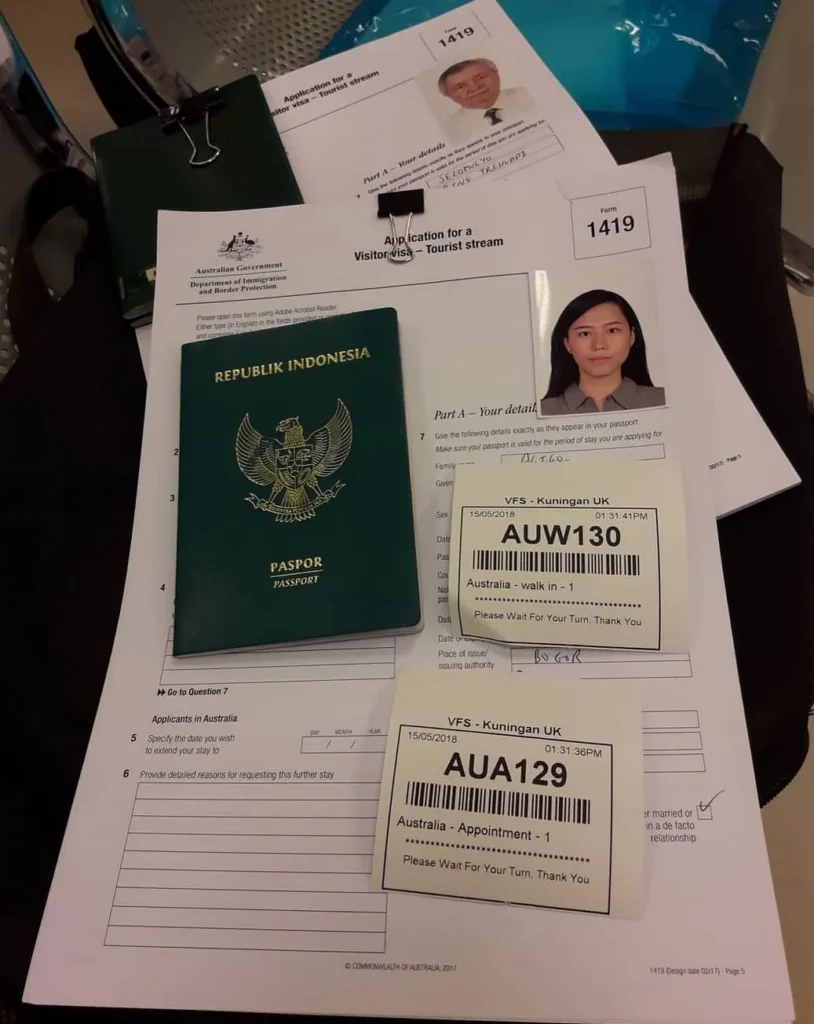
Your type of visa will shape what kinds of employment opportunities you can access. Whether you’re a student visa holder or on a Regional visa, employers will want to know your rights.
Common visa options for working in Australia:
- Working Holiday Visa (subclass 417/462) – perfect for Fruit Pickers, café workers, or travellers looking to fund their road trip. Bonus: Use our [2nd year visa guide] to double your stay with farm work.
- Skilled visas (subclass 189, 190, 491) – for qualified professionals in priority job sectors
- Graduate visa (485) – for international students who’ve studied in Oz
- Sponsorship visa (subclass 482) – if a company loves you enough to lock you in
- Permanent visa – the golden ticket: full work rights and a pathway to permanent residency
Visa category, conditions, and duration matter. Some jobs — like those in aged care or teaching — also require police clearance, medical checks, and the right level of education.
Build a killer resume and cover letter — Aussie style

Forget your five-page volunteer resume from college. Aussie employers want short, sharp, ATS-friendly resumes with clear formatting. And that cover letter? Make it count — it’s your shot at connecting with potential employers.
Pro tips for a local-style resume format:
- Stick to 2–3 pages max
- Use a chronological format for job history
- Include specific resume achievements — not vague waffle
- Drop the photo and personal details — just focus on skills
- Add a punchy career objective or summary at the top
- Use bullet points, bold job titles, and simple design (no Canva carnivals)
Need inspiration? Plenty of resume samples and volunteering resume examples are out there, tailored to Aussie roles.
Don’t forget your Seek profile — it’s Australia’s largest employment marketplace, and many Australian companies scout there before posting a job advertisement.
Tap into Australian job search engines and networks

Don’t just spam Indeed and hope for the best. Diversify your job search strategies and target platforms locals actually use.
Best sites for the job search process:
- Seek – the big dog; set up job alerts and get personalised recommendations
- Indeed – great for casual and entry-level roles
- Jora – smaller but useful
- Workforce Australia – government-run; excellent for apprenticeships and regional gigs
- Harvest Trail – your go-to for seasonal farm work and 2nd position jobs
- Career Success Australia – great for skilled migrants building their career path
Also, check out volunteering search engines like GoVolunteer to build Australian experience — many paid jobs follow.
Consider volunteering or casual gigs to get a foot in

Many international students and newcomers struggle with the dreaded “must have local experience” line in job ads. Don’t wait for your dream job — get a leg in through:
- Volunteer opportunities at libraries, charities, and community organisations
- Short-term stints in hospitality or admin
- Freelancing or gig work with an ABN
- Internships (often unpaid, but great for references)
That first bit of Australian experience can flip your resume from “maybe later” to “come in for a chat.”
Use recruitment agencies — they know the lay of the land
A good recruiter can hook you up with the right job profile, coach you for interviews, and flag suitable roles before they hit job boards.
Well-known Aussie recruiters:
- Hays – big on tech, finance, office admin
- Randstad – covers education, healthcare, and blue-collar
- Superior People Recruitment – good for sales, HR, management
Be honest about your previous experience, visa status, and what you’re after. They’ll match you accordingly.
Apply smart, not shotgun-style
Tailor your job applications every time. Employers can sniff out copy-paste jobs from a kilometre away.
Here’s a good structure:
- Custom cover letter addressing the company’s values and role
- Resume aligned with the Job title
- Optional: short intro email or message on LinkedIn
Follow up politely. No pestering — but a nudge shows you’re keen.
Understand Australian workplace culture
The workplace might feel chill — folks in thongs, Friday arvo beers — but expectations are still high.
Things to know:
- Work-life balance is big, but so is pulling your weight
- Punctuality is crucial
- Aussies appreciate initiative and straight talk
- Your manager might act like your mate, but don’t slack off
- Diversity and inclusion are strong values in most Australian companies
And yes, pop culture industry references will fly around the lunch table — from Kath & Kim to MasterChef.
Know your worth — and what jobs pay
Depending on your role, experience, and city, the salary range can vary heaps. But don’t lowball yourself.
A few ballpark figures:
- Customer service: $50k–$60k annually
- Hospitality: $25–$35/hour (casual rates)
- IT roles: $80k–$140k depending on experience
- Nurses and allied health: $70k–$110k
- Construction: $35–$60/hour
- Teaching staff: $70k–$120k depending on state and school
Remember: actual salary often includes superannuation (your retirement fund). Also consider the Cost of Living — annual cost can vary drastically between cities.
Go regional for faster results and amazing development opportunities
Capital cities are competitive, but regional areas are crying out for workers. If you’re open to relocating, you’ll find amazing opportunities, faster pathways to permanent residency, and maybe even free training.
Regional job perks:
- Easier sponsorship visa chances
- Cheaper rent and lower Cost of Living
- Tight-knit communities that value newcomers
- Access to endless development opportunities
Try places like Townsville, Launceston, Wagga Wagga, or Geraldton for a unique experience.
Final checklist for job seekers in Australia
Here’s your no-fluff prep list:
Know your visa options and check your work rights
Get a TFN, open a local bank account, and set up a Seek profile
Build an Aussie-style resume and tailor your cover letter
Check if your job needs an ABN, White Card, or RSA
Explore regional roles for faster hiring and career selling
Be wary of job scams — if it smells fishy, it probably is
Learn local etiquette — both in life and the workplace
Use agencies, online platforms, and volunteer opportunities to build experience
Track your application process, deadlines, and follow-ups
Know your career field’s salary expectations and negotiate confidently
Travel takeaway
The Australian job market isn’t a one-size-fits-all game. It takes hustle, planning, and sometimes a bit of luck, but the plenty of time you invest upfront will pay off in career path dividends.
And whether you’re pouring pints in Fremantle, writing code in Melbourne, or teaching kids in Katherine, that first “yes” from an Australian hiring manager feels bloody good.
FAQ
What’s the easiest job to get in Australia on a holiday visa?
Hands down, seasonal work or hospitality. Think Fruit Picker, bartender, or hostel cleaner. Check Harvest Trail for farm gigs that also count toward your 2nd year visa guide.
What’s the average salary in Australia?
As of 2025, the average salary hovers around $95,000 AUD annually, but it varies by career field, location, and role. Don’t forget to factor in super and tax.
Can I get a job in Australia as an international student?
Yes! A student visa allows part-time work (up to 48 hours per fortnight during term). Many uni students land roles in retail, hospitality, or library staff positions.
What’s the most popular city for job seekers?
Capital cities like Sydney, Melbourne, and Brisbane offer the widest types of jobs and the largest application pool. But popular cities come with high rent, regional areas often offer more value.
How do I increase my chances of getting hired quickly?
Tailor each job application, get volunteer experience if needed, apply through recruitment agencies, and aim for in-demand roles. The more effort you put in, the faster you’ll hit your stride.
About the Author