
Let’s clear this up straight away: yes, you can see sharks in the Great Barrier Reef — and it’s not the Jaws-fest the tabloids would have you believe. From fast-moving sharks like black tip reef sharks to the more curious epaulette sharks walking on their fins, this reef is full of diversity. We’re talking reef-dwelling sharks, apex predators, rare sightings in deeper waters, and everything in between — all thriving in one of the most complex marine ecosystems on Earth.
I’ve been lucky enough to dive with reef sharks off Cairns, snorkel with leopard sharks near Lady Elliot Island, and eyeball a cruising tiger shark out near Osprey Reef (from a respectful distance, of course). Whether you’re on a calm water snorkel session or a specialty night diving experience, there’s a good chance you’ll spot a shark — or a few — doing what they do best: minding their own business and keeping the reef balanced.
Contents
- 1 Most common sharks on the Great Barrier Reef
- 2 Top reef sites for diving with sharks
- 3 What’s it like diving with sharks?
- 4 What every traveller should know?
- 5 Shark conservation: what travellers can do
- 6 Personal yarn: My first overnight scuba experience with sharks
- 7 Final thoughts
- 8 FAQ
- 9 About the Author
Most common sharks on the Great Barrier Reef
The Great Barrier Reef is home to a wide range of Australian sharks, many of which you can spot on a scuba diving trip or even a guided day trip with a mask and fins.
Here are some of the most frequent sharks seen in reef waters:
Black Tip Reef Sharks
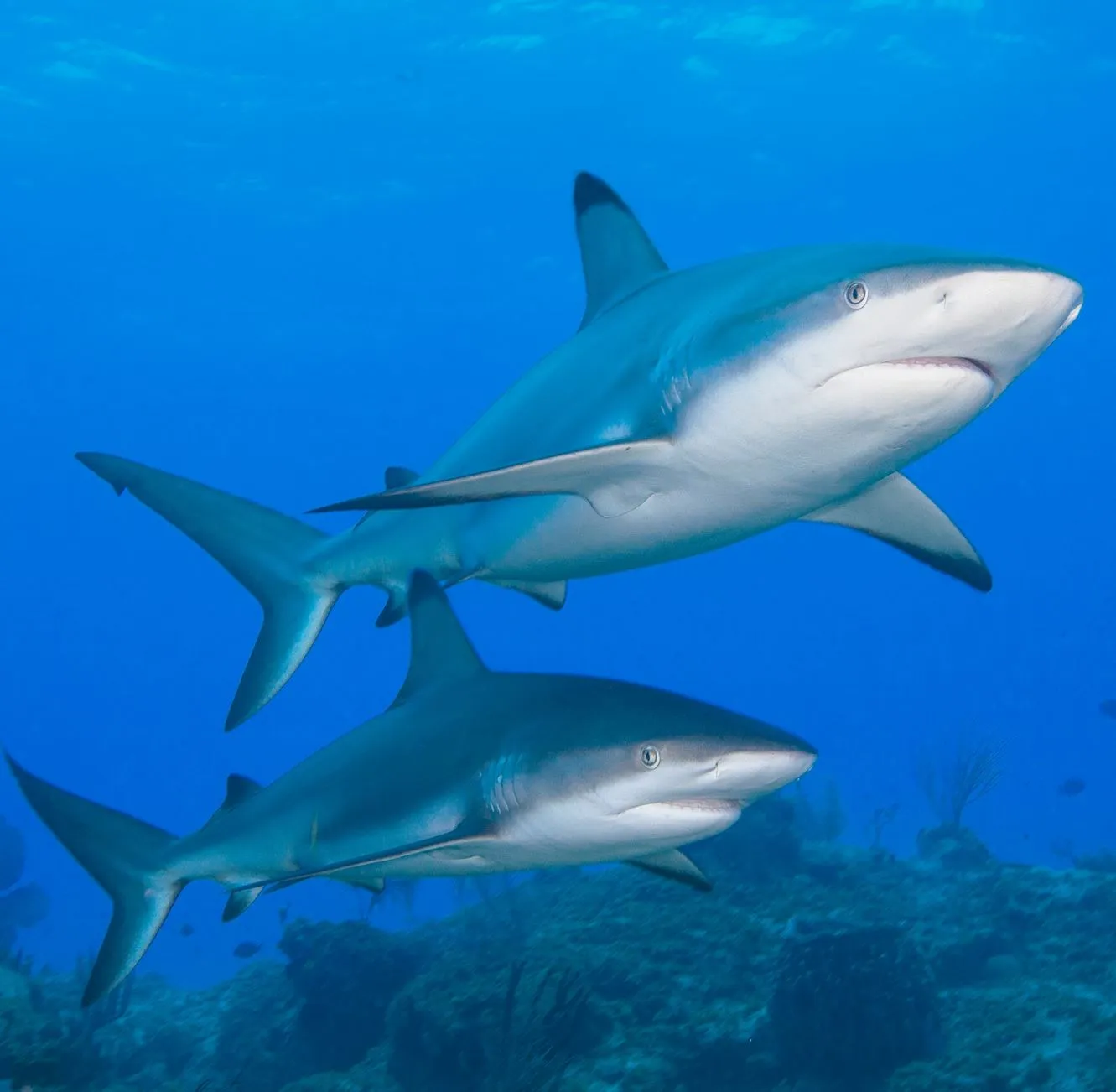
Agile, quick, and common sharks in shallow coral lagoons. You’ll often see their distinctive dorsal fin slicing through the surface near the reef edge.
White Tip Reef Sharks
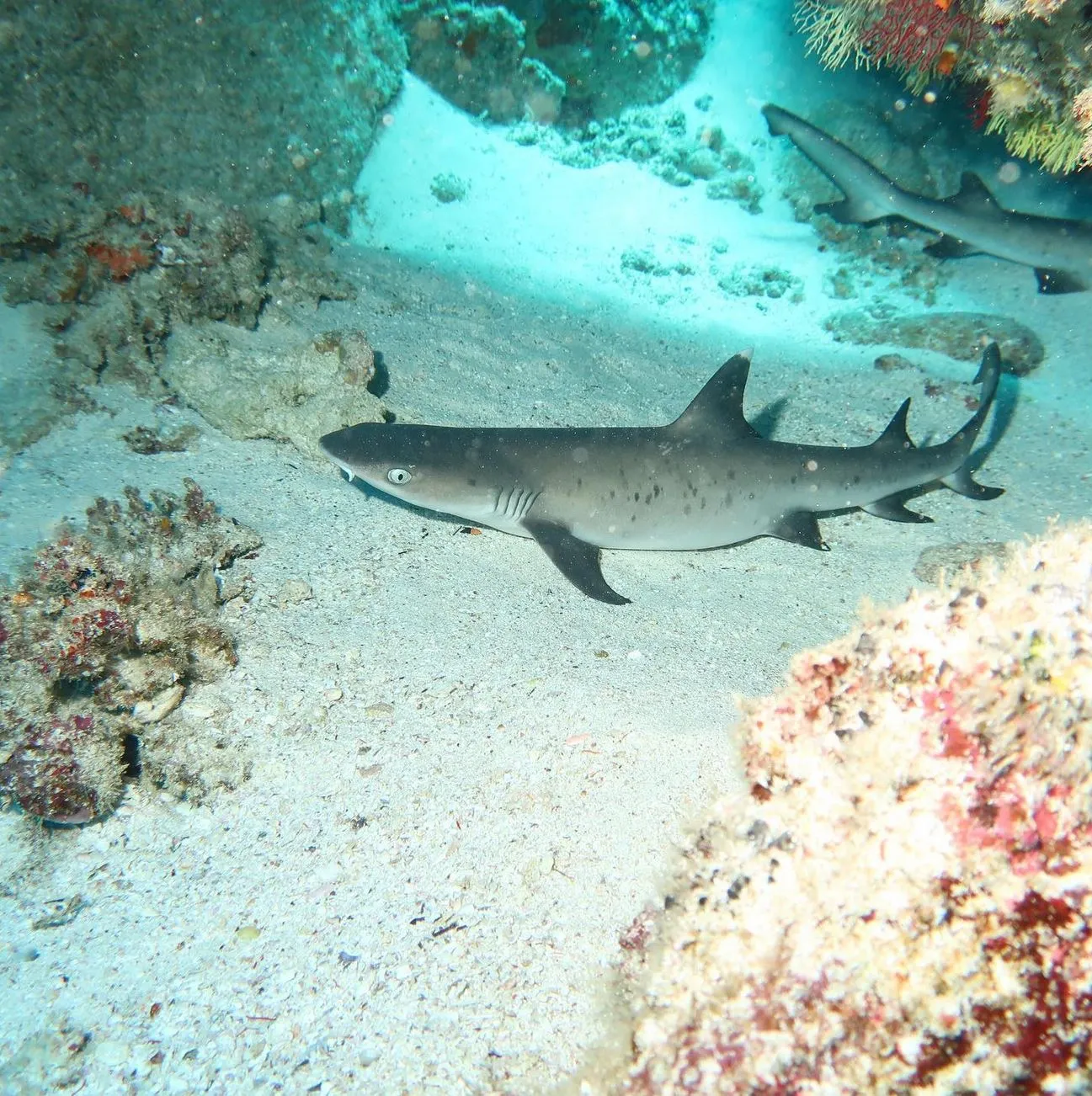
These guys are classic reef-dwelling sharks — often seen resting under ledges by day and out hunting at night. Completely harmless reef sharks to humans.
Grey Reef Sharks / Grey Sharks / Grey Whaler Reef Sharks
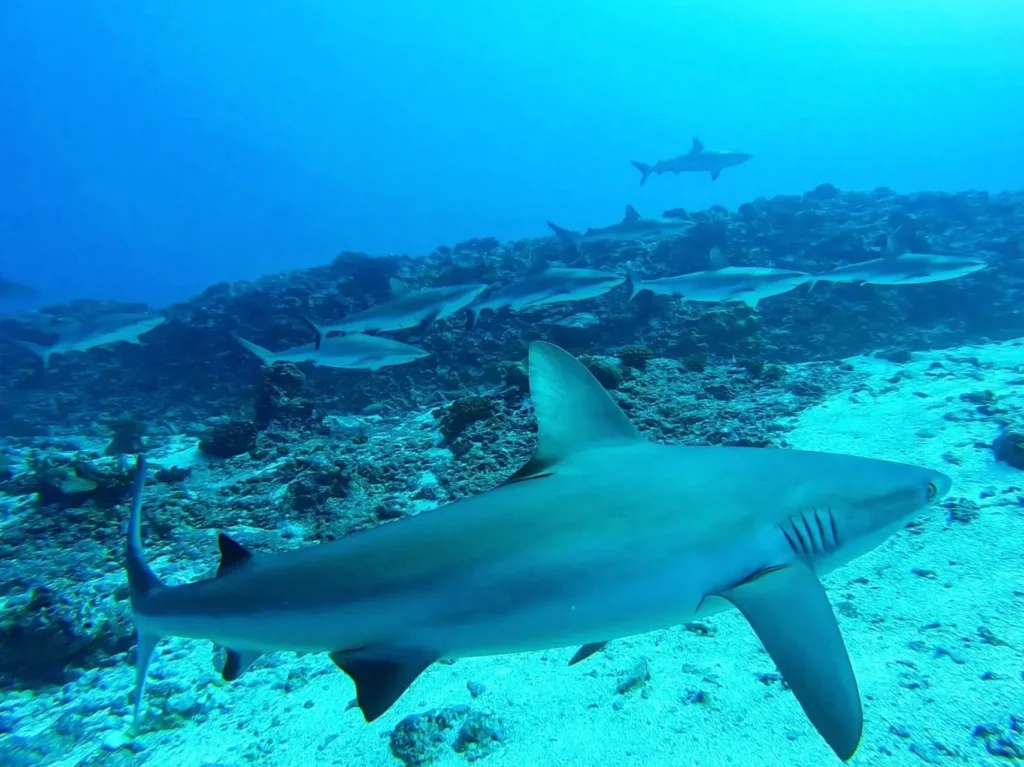
One of the more curious species — they’ll often swim past divers to check things out, but don’t pose a threat. Fast-moving sharks that prefer drop-offs and deeper walls.
Leopard Sharks
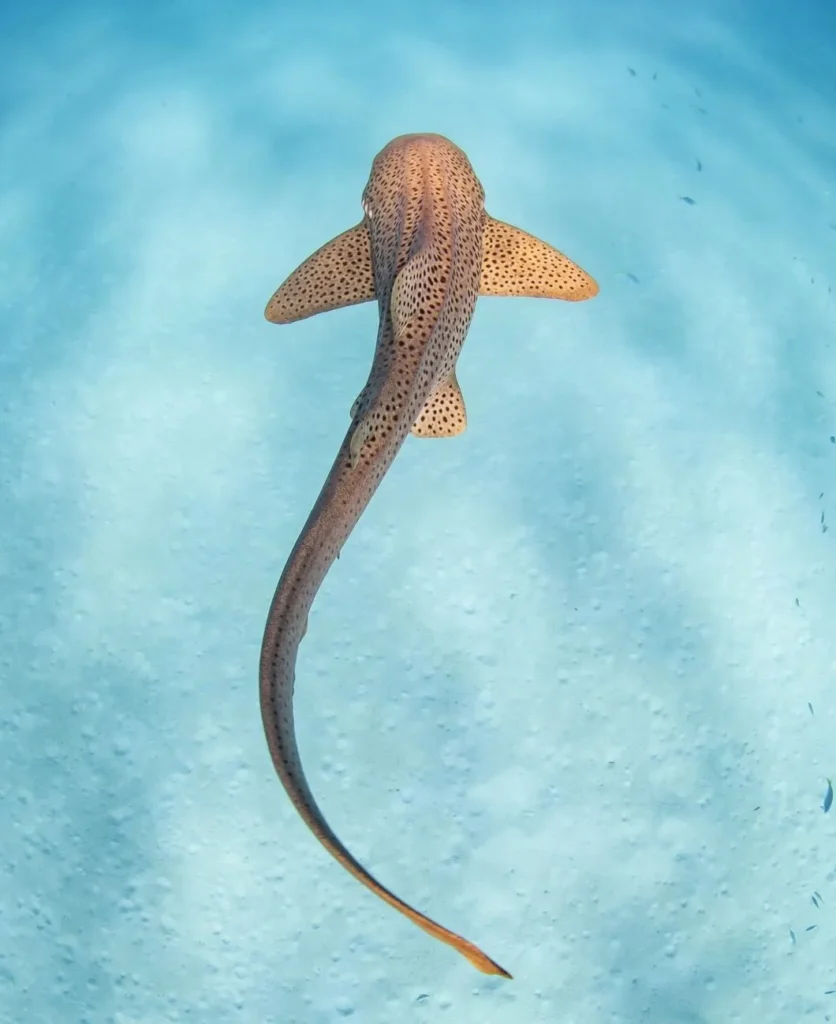
Calm, patterned beauties that cruise the sandy bottoms of the reef. Not actually aggressive, and often seen around coral bommies during the day.
Epaulette Sharks
If you see a shark “walking” across the reef with its fins, that’s this little legend. They love shallow waters and coral flats, often spotted at night.
Wobbegong Sharks
Flat-bodied and camouflaged, these reef ambush predators rest under plate coral and near reef fish schools, waiting for a snack to swim by.
Hammerhead Shark
Not a regular visitor, but they occasionally show up in deeper waters around the Coral Sea. An exclusive shark encounter for lucky divers.
Tiger Sharks & Bull Sharks
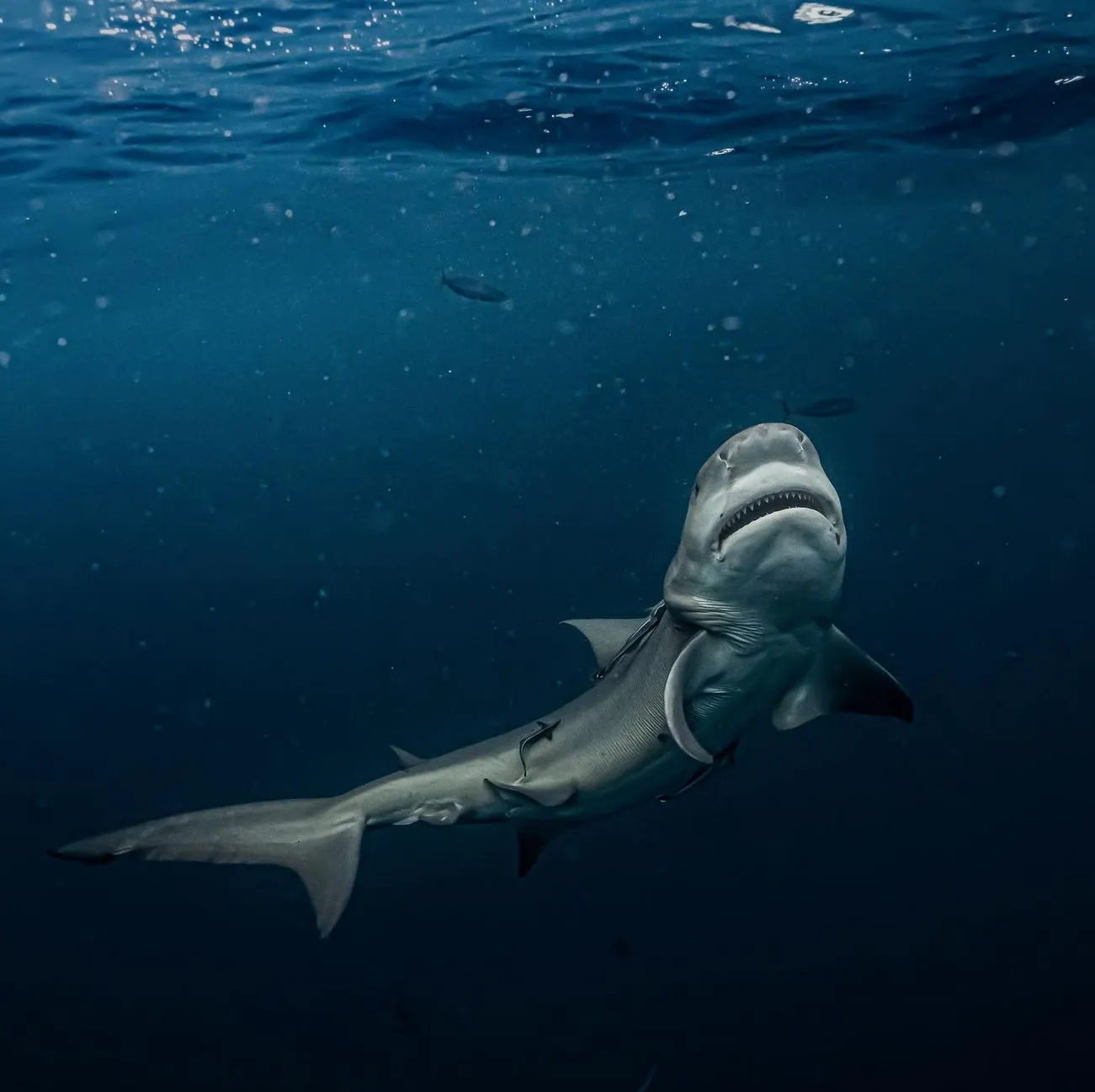
These larger sharks roam the outer reef edges. Tiger sharks have that classic stealthy glide, and bull sharks tend to be more solitary. Seen a couple of times near Yongala Wreck and offshore reefs — always from a safe distance.
Silver Tip Shark & Oceanic White Tips
Spotted more on liveaboard trips to far offshore reefs. Sleek, striking, and powerful, they thrive in the colder water temperatures and southern waters near the reef fringe.
Whale Shark
The gentle giant. Rare but unforgettable. These spectacular visitors pass through during the coral spawning season — a peaceful experience if you’re lucky enough to spot one.
Top reef sites for diving with sharks
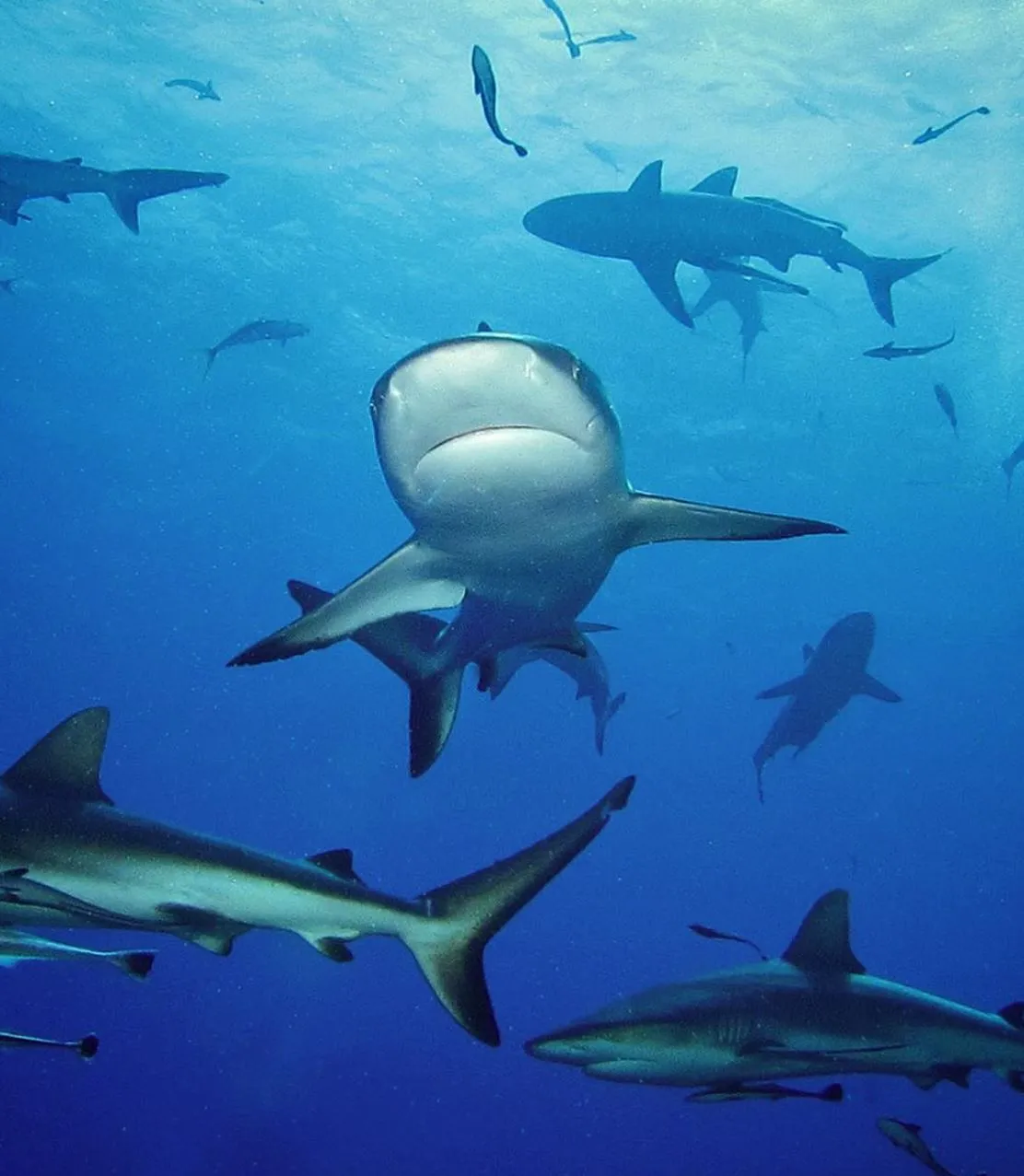
The Great Barrier Reef’s shark population varies across locations, but some areas consistently deliver when it comes to shark sightings:
1. Osprey Reef (Coral Sea)
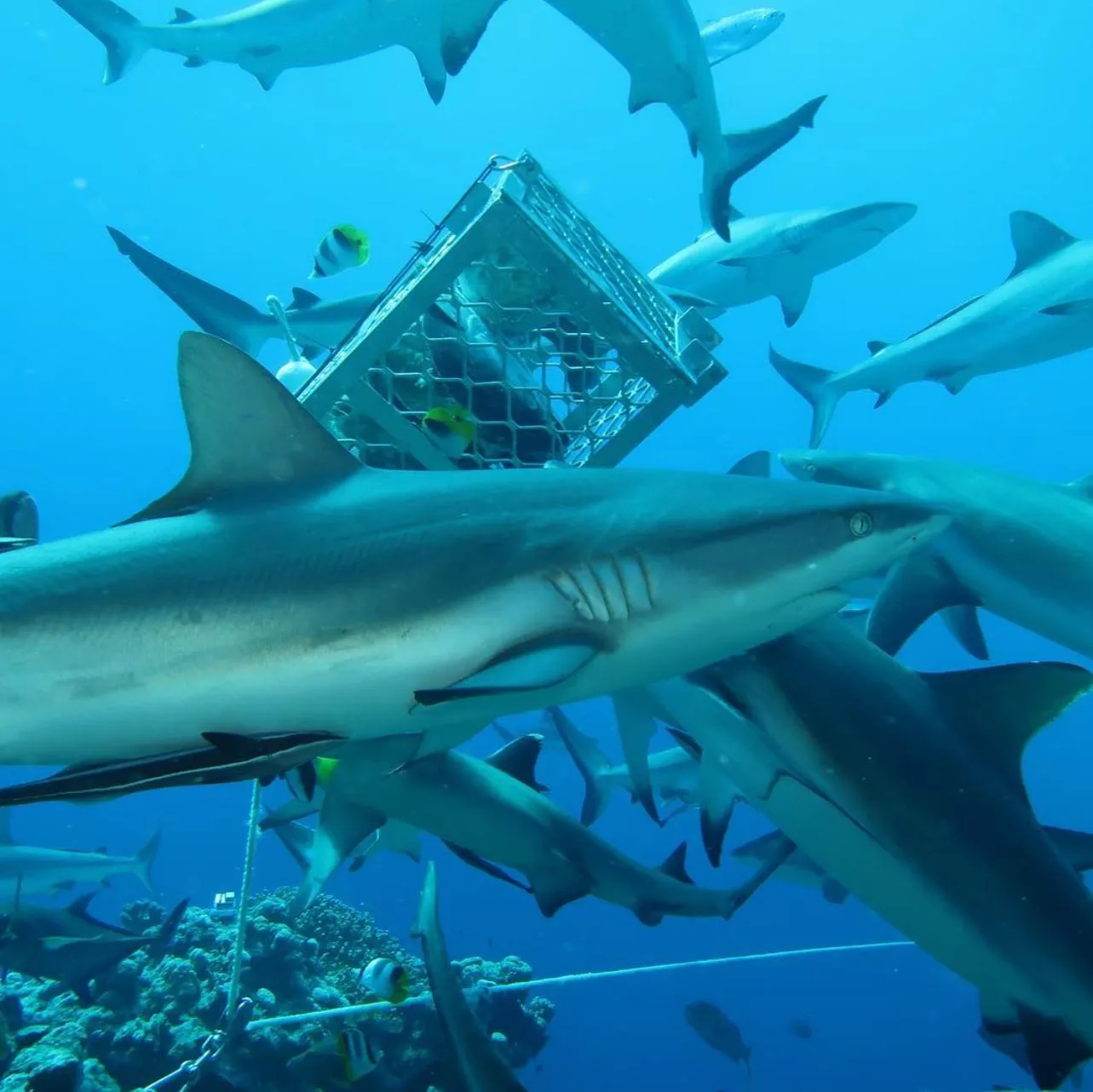
Best for shark diving and passive shark attraction sessions. You’ll see silver-tip sharks, grey reef sharks, and sometimes Oceanic White Tips in pristine waters.
2. Ribbon Reefs (north of Port Douglas)
Ideal for seeing black tip and white tip reef sharks. Excellent for families of fish and coral lovers too — colourful fish species and abundant corals surround you.
3. Cod Hole
Famous for giant potato cod, but also a shark diving attraction thanks to grey whale reefs, sharks and occasional larger sharks cruising by.
4. Lady Elliot Island
A top spot for snorkelling with reef sharks and colourful fish in clear, calm water. Bonus? Leopard sharks, wobbegongs, and manta rays also swing by.
5. Heron Island
Great for kids and beginner snorkellers — common sharks here include whitetips and blacktips hanging around the reef edges near the jetty.
6. SS Yongala Wreck (south of Townsville)
A magnet for apex predators like bull sharks and tiger sharks, especially around dusk. Limited access experiences only via liveaboard or day boats.
What’s it like diving with sharks?
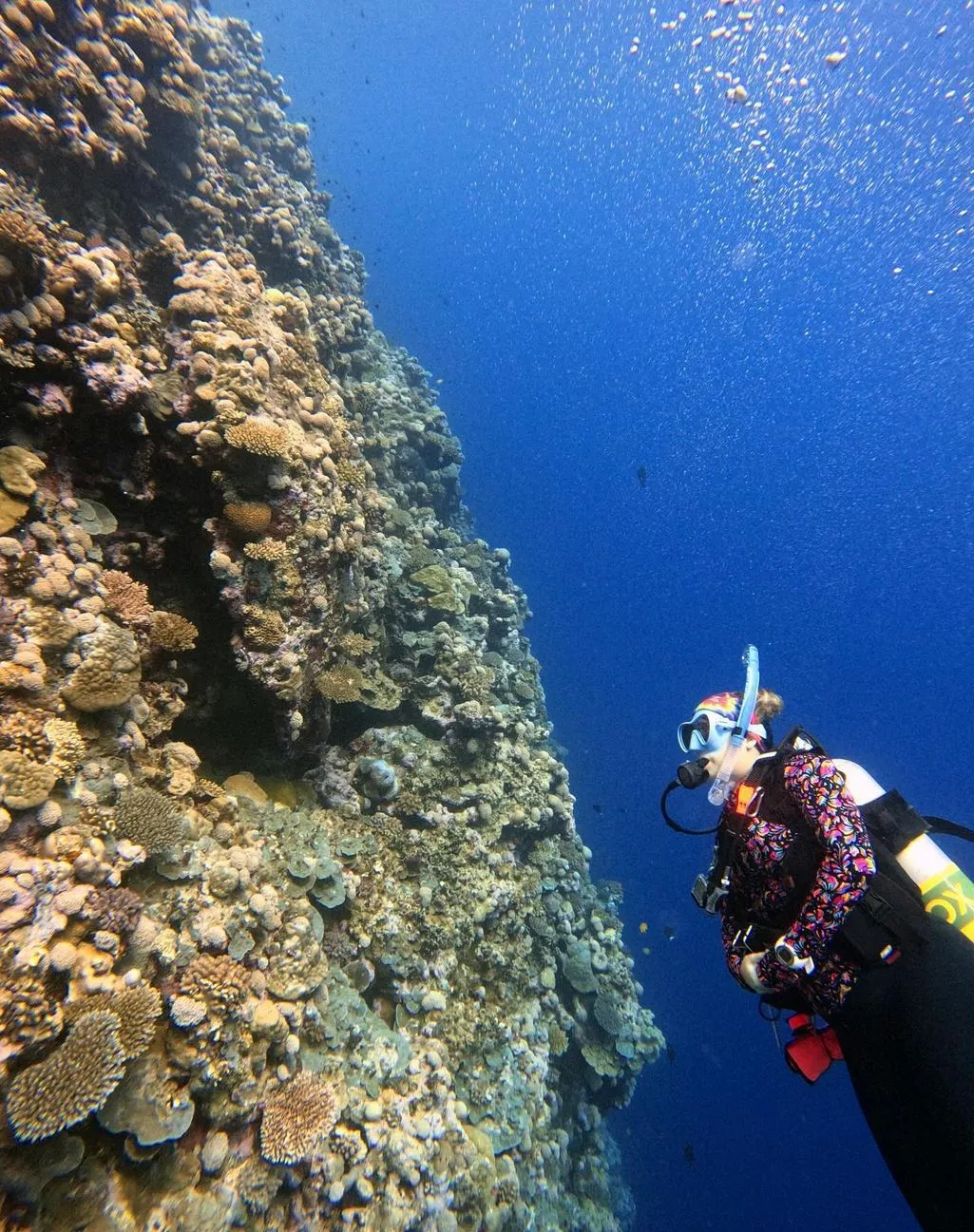
Shark diving on the Great Barrier Reef is nothing like the thrill-seeker shows you’ve seen on telly. It’s calm, respectful, and rooted in understanding shark behaviour, not provoking it. Some operators offer passive shark attraction dives (using food scent, not baited feeding), and others run regulated shark feeding dives under controlled conditions.
What to expect
- Reef sharks cruise past slowly, sometimes with larger fish in tow.
- A wide diversity of sharks exists depending on season, site, and depth.
- Crystal-clear water, especially in the dry season, with incredible visibility.
- Lots of reef fish and fish schools — a vital food source in the ecosystem.
Dark dive experience tip
Try a night dive around Heron or Lizard Island — epaulette sharks and wobbegongs come out, and the tentacles of corals bloom under torchlight. It’s a limited-access experience that shows the magic of sharks in full force.
What every traveller should know?
Look, Australian waters are wild — it’s part of the charm. But when it comes to shark safety, the real threat to visitors is misunderstanding. Shark attacks on the reef are extremely rare. Most incidences of shark attacks around Australia occur near estuaries or river mouths, not in reef waters.
Here’s how to keep your encounters with sharks safe and respectful:
Shark safety checklist
- Avoid murky water, silty water conditions, and choppy water — the clarity of water makes a big difference.
- Don’t swim alone, especially in warmer waters at dusk or nighttime.
- Avoid carrying fish waste or food scraps near the water.
- Never wear jewellery — sharks may mistake it for shiny fish.
- Don’t provoke or chase sharks — this can cause erratic behaviour.
- Always listen to your dive or snorkel guide.
Most sharks seen on the reef are harmless reef sharks or species that are more interested in fish populations and dead fish than humans.
Why are sharks important to the reef?
Sharks aren’t just impressive creatures — they’re apex predators vital to the reef’s balance. By regulating fish populations and removing sick animals or weak individuals, they help maintain healthy coral ecosystems.
Their presence tells us the reef is functioning well. A drop in shark population — whether from commercial fishing, habitat loss, or climate pressure — signals trouble.
Conservation efforts are critical. Programs like the Great Barrier Reef Marine Park’s no-take zones and Queensland’s Shark Control Program aim to protect both visitors and sharks. But there’s still work to do when it comes to managing shark products, enforcing fishing regulations, and raising awareness about the diversity of sharks.
Shark conservation: what travellers can do
Want to protect the reef’s magnificent animals for future generations? Here’s how:
- Support shark-friendly operators — Look for eco-accredited tours that follow passive shark diving principles and don’t engage in unregulated feeding.
- Don’t buy shark products — That includes shark fin soup, cartilage supplements, or novelty teeth.
- Report shark sightings — Apps like Eye on the Reef help scientists track shark movements and behaviour.
- Choose sustainable seafood — Avoid supporting commercial fishing practices that harm shark populations.
- Learn about Traditional Owner perspectives — Many coastal Aboriginal groups have deep spiritual connections to sharks and ocean ecosystems.
And if you’re heading out with Autopia Tours, you’ll be in good hands — they’re one of the few mob that prioritise reef conservation and cultural storytelling in their snorkelling and diving experiences.
Personal yarn: My first overnight scuba experience with sharks
I’ll never forget my first overnight scuba experience out past the Coral Sea. We’d just finished a twilight dive, the sun dipping below the reef horizon, and the crew gave us the go-ahead for a dark dive experience. It was eerie, calm, and buzzing with energy. Suddenly, two grey reef sharks appeared in our torchlight — curious but chill — as if they were just making rounds before bed.
No threat, no drama — just wild animals in their natural habitat. It was, without doubt, one of the most peaceful experiences I’ve ever had in the water.
Final thoughts
So, can you see sharks in the Great Barrier Reef? Not only can you should. It’s one of the richest, wildest, most exciting experiences Australia offers, especially if you’re into the real deal: diving with sharks, not dodging glossy brochures full of hype.
From the harmless reef sharks in shallow coral gardens to the occasional tiger shark gliding through deeper waters, each encounter with sharks reminds us just how ancient, vital, and misunderstood these creatures are.
FAQ
What shark species live in the Great Barrier Reef?
Common species include black tip reef sharks, white tip reef sharks, grey reef sharks, leopard sharks, wobbegongs, and epaulette sharks. Less frequent visitors include hammerhead sharks, tiger sharks, bull sharks, and silver-tip sharks.
Is it safe to go diving with sharks on the reef?
Yes — shark diving in the reef is generally safe when done with a licensed operator. Most sharks are harmless, and guided dives are structured to avoid risky behaviour.
When’s the best time for shark sightings?
May to October offers the best clarity of water and calmer conditions. However, warmer waters between November and April can bring more shark activity thanks to seasonal fish schools and coral spawning events.
Are shark attacks common in the Great Barrier Reef?
No. Incidents of shark attacks on the reef are extremely rare. Most encounters with sharks involve reef-dwelling species that pose no threat to humans.
Can I see sharks on a snorkelling day trip?
Absolutely. Places like Lady Elliot Island, Heron Island, and the Ribbon Reefs offer excellent chances to see black tip reef sharks and other species on snorkelling tours.
About the Author