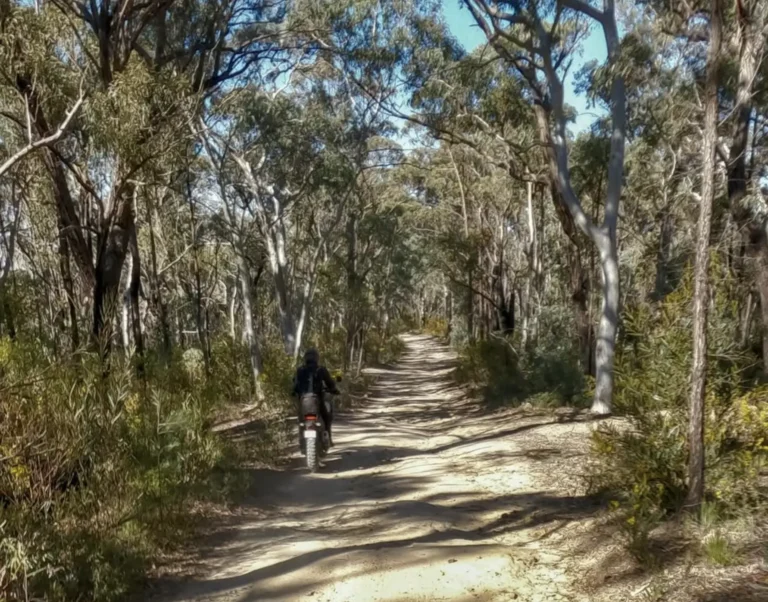

There’s something deeply satisfying about watching your signal drop to zero and knowing you’ll be cooking your next meal over an open fire, not scrolling for dinner options. If you’ve been craving stillness, starlight, and the odd dingo howl in the distance, it might be time to head bush. I’m talking truly off-grid — places where the only buzz comes from green ants, and the nearest servo is half a tank away.
This guide explores off-grid living in the wildest corners of Australia — whether you’re chasing silence or testing a completely off-grid setup. We’ll chat about renewable energy systems, bore water, and the legal requirements that go hand-in-hand with escaping the grid. Think of it as your cheeky intro to a healthier lifestyle with fewer electricity bills and more moonlit boil-ups of billy tea.
Contents
- 1 Gibb River Road, WA – Red Dirt, Waterholes, and Road Trains
- 2 Arnhem Land, NT – Permit-Only Peace and Deep Culture
- 3 The Simpson Desert – Sand Dunes and Swag Nights
- 4 Tarkine Wilderness, TAS – Rainforest Reset in the Cold
- 5 Lake Eyre & Kati Thanda – Silence, Salt, and Solar Panels
- 6 Cape York – River Crossings and Off-Grid Test Drives
- 7 The Nullarbor – Bare Bones, Big Energy
- 8 Final Reflections
- 9 FAQ
- 9.1 What’s the biggest advantage of going off-grid in Australia?
- 9.2 What kind of Off-Grid system do I need for remote areas?
- 9.3 Are there legal or regulatory requirements for Off-Grid living?
- 9.4 How do I manage water supply when living off-grid?
- 9.5 What’s the cost of installation for an Off-Grid solar system?
- 10 About the Author
Gibb River Road, WA – Red Dirt, Waterholes, and Road Trains
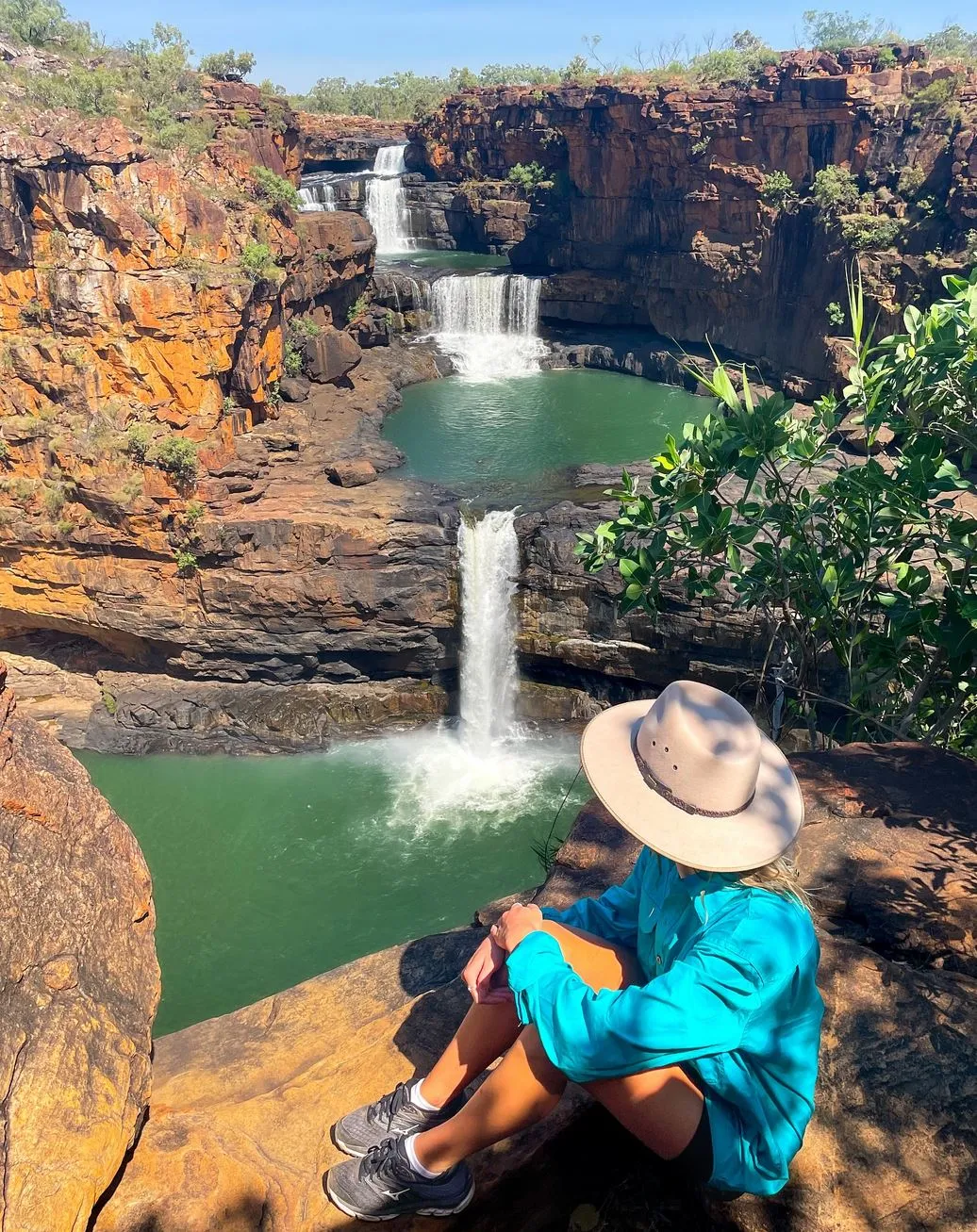
The Gibb River Road is a rite of passage for off-grid residents and road-trippers alike. This old cattle track through the Kimberley dishes up corrugated roads, back-up generator nights, and solar panel-powered mornings.
Why it’s a ripper off-grid spot:
- No mobile signal for most of the track — true digital detox
- Gorge swims are powered by gravity-fed water, not mains water
- Plenty of spots to test your battery energy storage if you’re travelling in an off-grid tiny home or camper
Energy hacks: Install a CEC-accredited Off-Grid installer setup before you go — a correctly designed Off-Grid system with solar panels, solar inverters, and a backup generator will keep your fridge humming and your lights on at sundown.
Arnhem Land, NT – Permit-Only Peace and Deep Culture
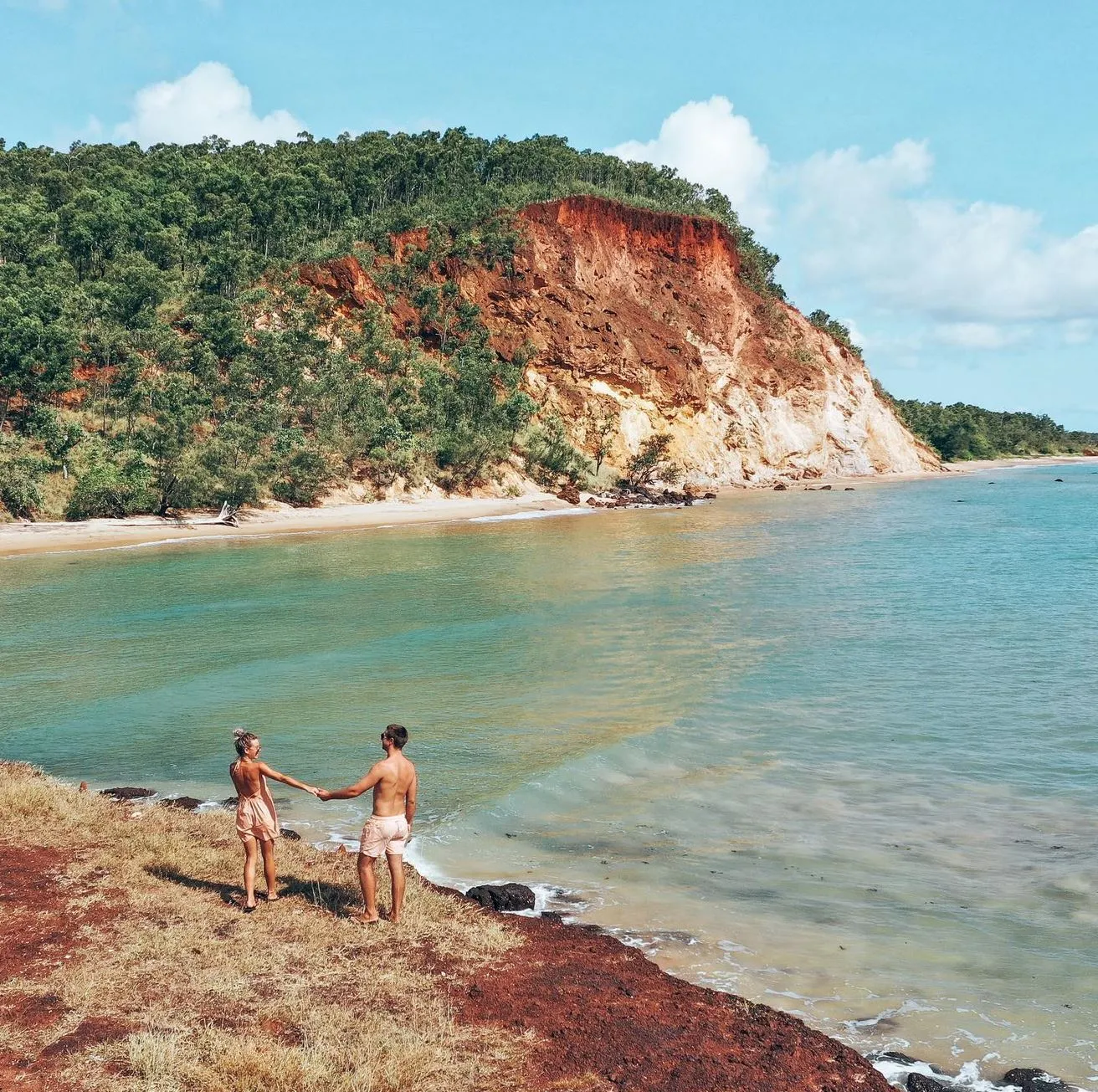
Arnhem Land’s off-grid lifestyle isn’t just about silence — it’s about sustainability, cultural connection, and careful planning. If you’re the kind of conscious person who respects community planning goals and environmental standards, this one’s for you.
Why it’s next-level remote:
- Off-grid communities live and thrive here, often without traditional grid connection
- Clean bore water, careful water usage, and effective waste management are common practices
- You’ll need a permit and a high level of compliance with zoning regulations to visit or build here
Travel respectfully: If you’re keen on exploring this sacred Country but unsure how to navigate access or cultural protocol, a small-group operator like Wayoutback Tours can help. They offer journeys that honour Traditional Owner knowledge while supporting off-grid communities with real, respectful travel.
The Simpson Desert – Sand Dunes and Swag Nights
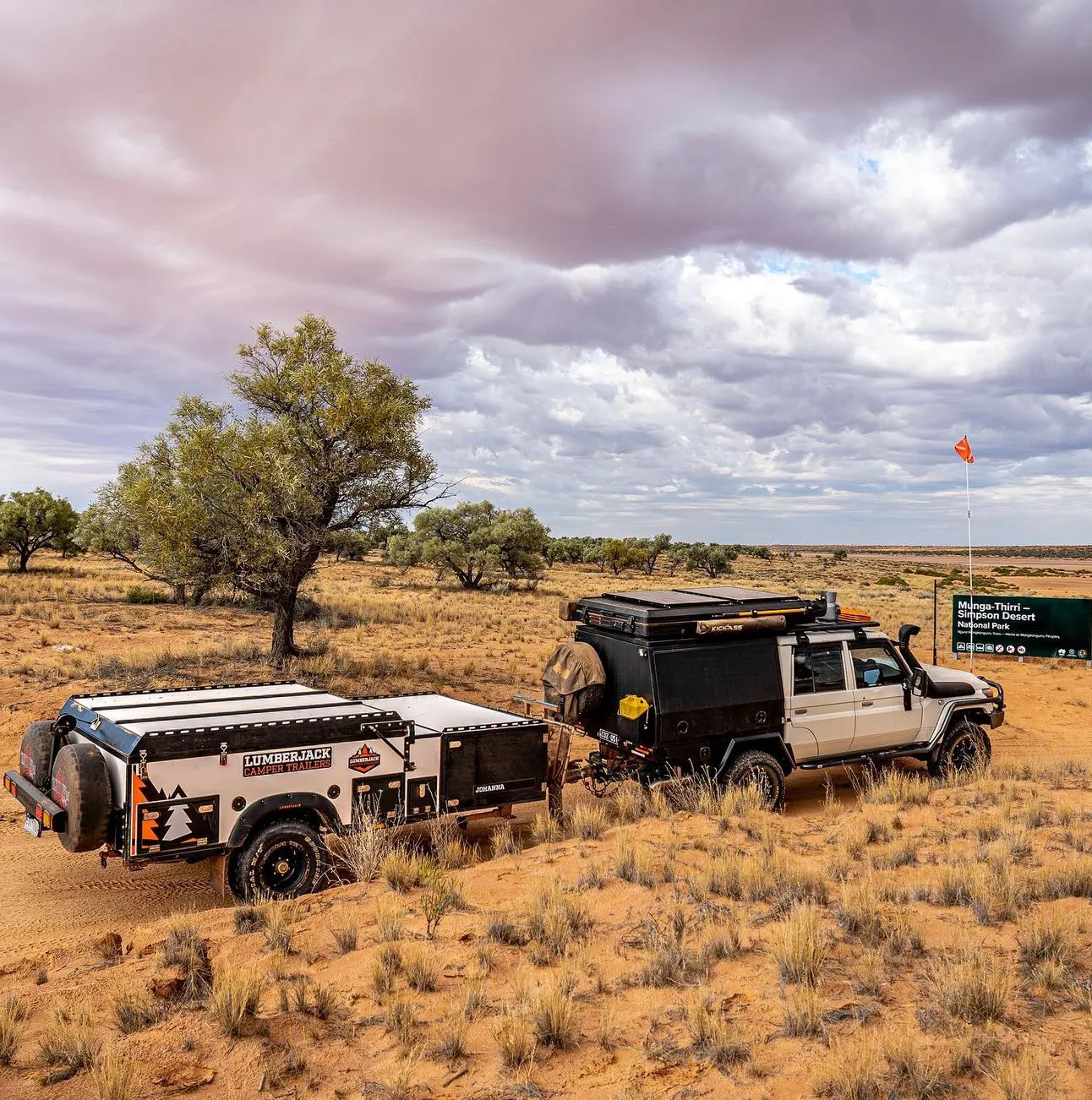
This isn’t for beginners. Going completely off-grid in the Simpson means understanding energy usage, packing a backup generator, and making your solar power system your best mate.
Why it’s an off-grid test of endurance:
- Total absence of grid electricity or backup infrastructure
- Reliance on small-scale renewable energy sources
- The perfect place to observe solar panel performance standards, especially with levels of panel tilt affecting output
Common power sources here include:
- Solar panels + battery energy storage
- Diesel backup generator
- Hot water via black bags or LPG heaters
Cautionary note: The biggest mistake people make is underestimating the upfront cost of going remote. Whether it’s the cost of installation or missing a key permit, careful planning is essential.
Tarkine Wilderness, TAS – Rainforest Reset in the Cold
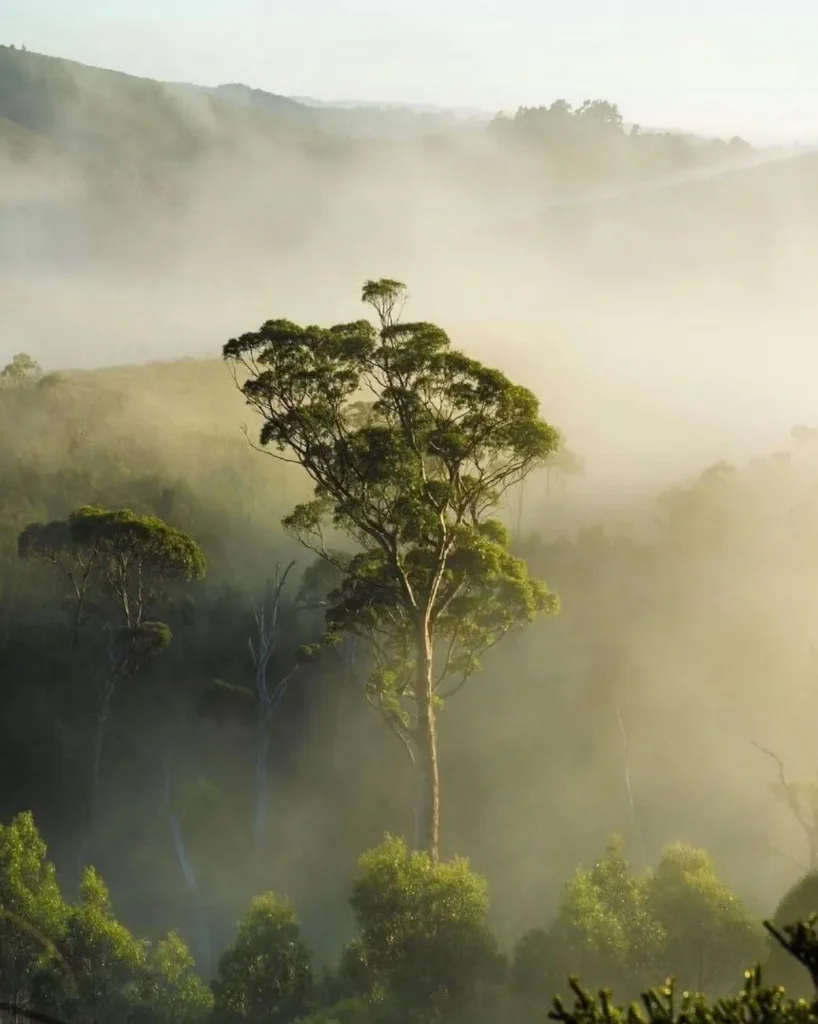
Tasmania’s takayna / Tarkine region offers a blend of renewable energy opportunities and bountiful water resources, especially for those chasing a softer entry into the off-grid lifestyle. Think more moss, less mozzies.
What to expect:
- Consistent rainfall = a consistent water supply (but treat for contamination of water supplies)
- Cool weather helps reduce energy usage
- Plenty of opportunity for sustainable practices — composting, human waste systems, and alternative energy systems like micro-hydro setups
Bonus: The climate here means you can reduce your need for air-con or power-hungry appliances — a real competitive advantage when building or living off-grid.
Lake Eyre & Kati Thanda – Silence, Salt, and Solar Panels
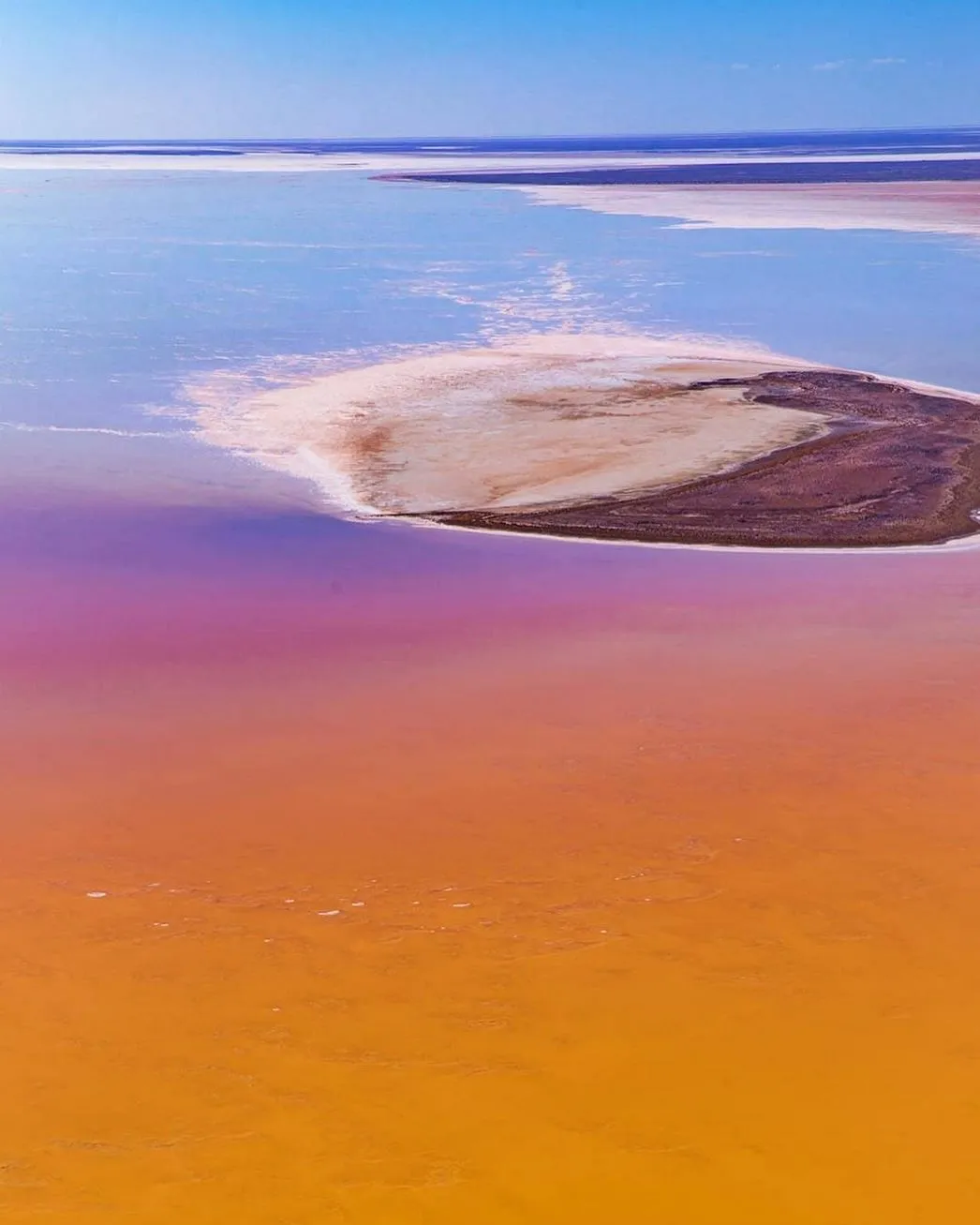
Lake Eyre’s flat, open spaces are perfect for testing out your solar energy setup. With near-constant sunlight and no shade, it’s paradise for solar panel manufacturers or DIY off-grid buffs.
What makes it shine:
- Space to set up a solar panel array with perfect panel tilt
- No phone signal — but enough sun to power your devices via solar panel inverter
- Ideal for energy independence from grid constraints
Good to know: You’ll want a battery energy storage system that can handle cloud cover days and the odd dust storm. Plus, you’ll need a setup compliant with Australian standards and BAL requirements if you’re building near vegetation.
Cape York – River Crossings and Off-Grid Test Drives
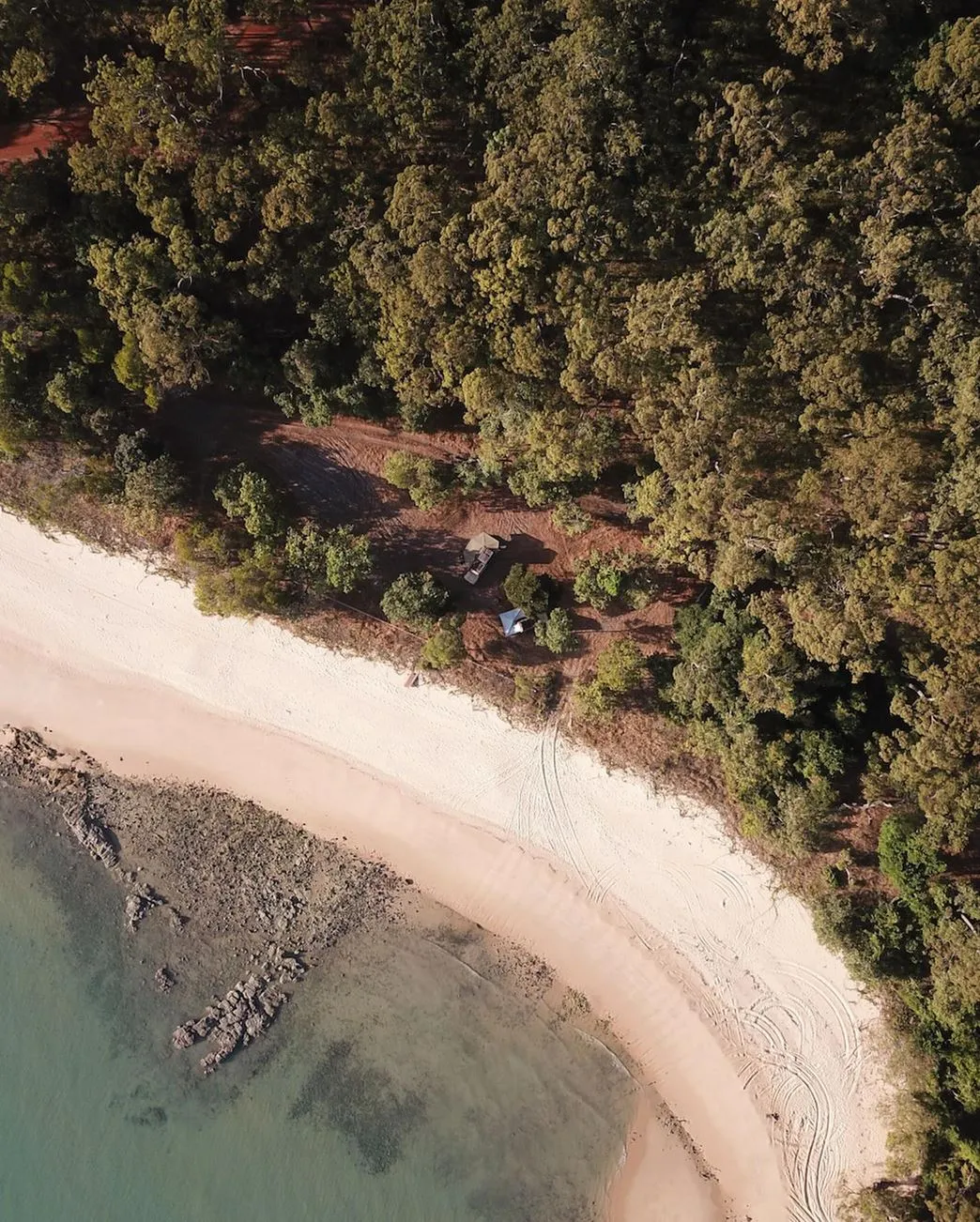
The further north you go, the wilder things get — and the more vital a properly installed Off-Grid solar system becomes. Here’s where off-grid residents often live without backup, and you’ll need to be ready for anything.
Off-grid checklist for Cape York:
- Power independence with solar, battery, and generator backup
- Alternative energy systems to handle monsoonal weather
- Consider the Small-scale Renewable Energy Scheme for STCs (aka Small-scale Technology Certificates) if setting up an off-grid home
The biggest factors to plan for:
- Cyclone seasons and impact on solar panel durability
- Water usage during dry spells
- Environmental regulations for camp locations and waste
The Nullarbor – Bare Bones, Big Energy
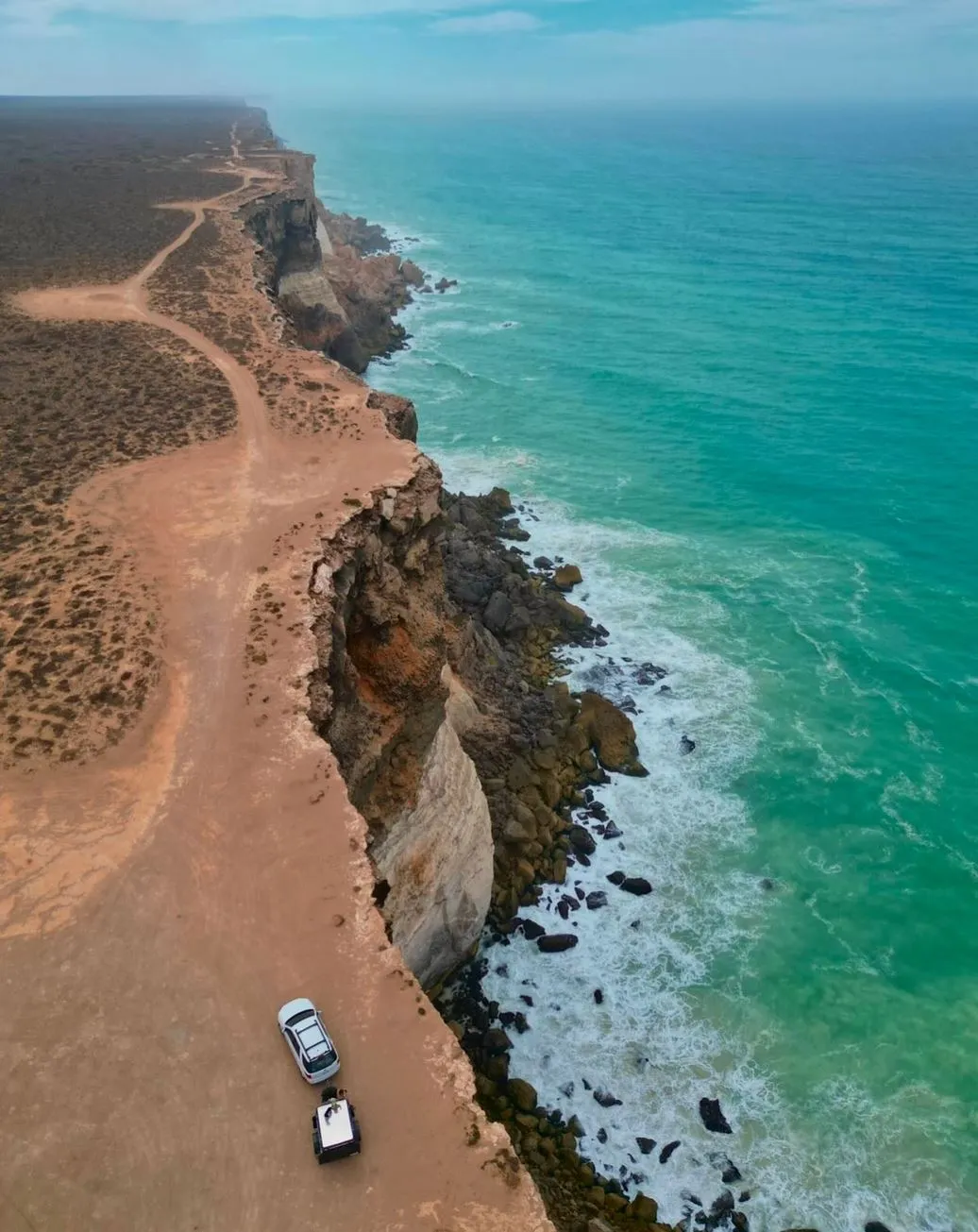
The Nullarbor’s beauty is brutal — sun by day, stars by night, and not much else. It’s the kind of place that demands energy efficiency, a sharp eye on cost for grid electricity, and a love of the long road.
Key off-grid traits:
- Massive solar potential — it’s flat, hot, and mostly cloudless
- No mains water, so bring in bore water or cart it
- Zero grid connection, making it the perfect spot for your journey to energy independence
Solar smarts here include:
- High power rating panels
- Reliable battery technologies
- Systems that meet all construction standards and compliance requirements
Final Reflections
Whether you’re in it for the sunsets or the affordable energy source aspect, off-grid living is both a freedom and a responsibility. It takes energy assessments, compliance with government regulations, and the willingness to adapt your life around the rhythms of nature.
Done right, it’s not just a quiet escape — it’s a healthier lifestyle, a sustainability goal, and a way to reconnect with what matters.
FAQ
What’s the biggest advantage of going off-grid in Australia?
You gain power, independence and often escape rising electricity prices. You also get access to cleaner energy sources and a deeper connection with the land, not to mention the serenity.
What kind of Off-Grid system do I need for remote areas?
You’ll want a correctly designed Off-Grid system that includes solar panels, a solar panel inverter, battery storage, and often a backup generator. Get a CEC-accredited Off-Grid installer to ensure you meet performance standards.
Are there legal or regulatory requirements for Off-Grid living?
Yes. Expect to deal with council regulations, zoning compliance, BAL requirements, and environmental standards, particularly for waste, energy, and construction.
How do I manage water supply when living off-grid?
Many off-grid homes rely on bore water, rainwater tanks, or trucked-in water. It’s critical to have effective waste management and contamination safeguards, especially when handling human waste.
What’s the cost of installation for an Off-Grid solar system?
It varies based on a variety of factors — location, power needs, battery technology, and whether you’re eligible for Small-scale Technology Certificates (STCs). A typical installation ranges from $15,000 to $40,000+.
About the Author